
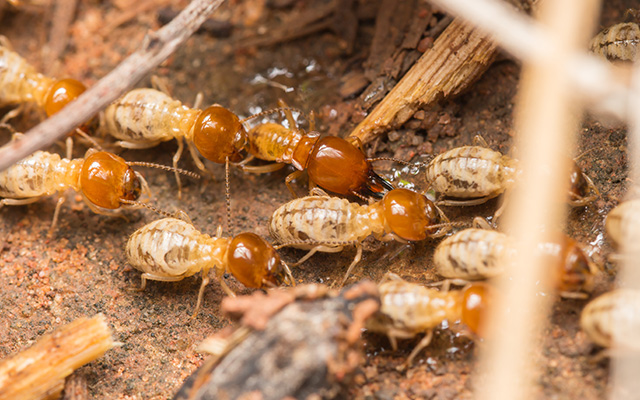
Termites can cause damage to timber structures while remaining concealed inside walls, floors, roof spaces and other parts of a property. Because their activity is not always visible, regular termite inspections are an important part of maintaining a home or commercial building. Many Australian property owners arrange an inspection every 12 months, although the appropriate frequency depends on the building, its surroundings, previous termite activity and the termite management system in place.
For homeowners considering a termite inspection in Epping or elsewhere in Melbourne, understanding when to arrange an inspection can help with early detection and property maintenance. M&R Termite Solutions provides termite inspection and treatment services to help property owners identify potential activity and consider suitable management options.
How Often Should a Property Be Inspected for Termites?
An annual termite inspection is a commonly recommended maintenance interval for many properties in Australia. However, it should not be treated as a fixed rule for every building. Some properties may require more frequent inspections depending on their exposure to termite activity, site conditions, previous infestations and the recommendations associated with an installed termite management system.
Properties with a history of termite activity, significant moisture problems, nearby vegetation or other conducive conditions may need closer monitoring. A qualified termite inspector can assess the property and recommend an inspection schedule suited to its circumstances.
If a termite management system has been installed, property owners should also check the installation documentation and any inspection or maintenance instructions provided by the installer or manufacturer. The National Construction Code includes provisions relating to termite management systems and the information that should be provided about future inspection recommendations.
Why Are Regular Termite Inspections Important?
Termites feed on cellulose-containing materials, including timber and many timber-based building products. Some species can establish activity in concealed areas, which means visible damage may not reflect the full extent of an infestation.
Regular inspections can help identify signs of termite activity before damage becomes more extensive. They may also identify conditions that can make a property more susceptible to termite attack, such as persistent moisture, concealed timber-to-ground contact or areas where inspection access is restricted.
An inspection does not prevent termites from entering a property, nor does it guarantee that concealed activity will be detected. It provides an opportunity to assess accessible areas, record visible evidence and recommend further action where required.
For owners seeking termite control in Epping, routine inspections can form part of a broader approach that may include treatment, monitoring and property maintenance.
Factors That May Require More Frequent Inspections
Not every Melbourne property has the same level of termite exposure. The inspection schedule should take account of the building and the conditions around it.
Previous Termite Activity
Properties with a history of termite infestation may need more frequent monitoring. Previous treatment does not mean that future termite activity is impossible. An inspector can consider the earlier findings, treatment records and current site conditions when recommending the next inspection.
Moisture and Drainage Issues
Leaking pipes, blocked drainage, poor ventilation and persistent dampness can create conditions that may attract or support termite activity. Moisture issues should be addressed promptly, and affected areas may need closer attention during inspections.
Gardens and Timber Near the Building
Garden beds, stored timber, tree stumps, landscaping and other materials near a building can sometimes create concealed pathways or make inspection access difficult. Maintaining appropriate clearance and reducing timber debris near the structure can support ongoing monitoring.
Concealed or Inaccessible Areas
Some parts of a property may be difficult to inspect because of wall linings, stored items, floor coverings, subfloor restrictions or building design. Where access is limited, the inspector may explain the limitations and recommend further investigation or an alternative monitoring approach.
Existing Termite Management Systems
Chemical, physical and other termite management systems have different installation and maintenance requirements. Property owners should retain relevant documentation and follow the recommendations provided for the specific system installed.
What Happens During a Professional Termite Inspection?
A termite inspection involves assessing accessible areas of a property for evidence of termite activity, timber damage and conditions that may increase the risk of infestation. The inspection process will vary depending on the building’s design and accessibility.
An inspection may include:
- External assessment: Checking accessible foundations, external walls, visible timber, garden areas and other relevant parts of the building.
- Internal assessment: Looking for signs of damage, moisture, shelter tubes and other indicators in accessible rooms and areas.
- Roof and subfloor areas: Examining accessible roof voids and subfloor spaces where these are present and safe to enter.
- Conducive conditions: Identifying moisture issues, timber contact with soil, concealed access points and other conditions that may warrant attention.
- Findings and recommendations: Explaining observed evidence, inspection limitations and any recommended treatment, further investigation or monitoring.
A written report can help property owners understand the inspection findings and keep a record for future maintenance. If termite activity is suspected, avoid disturbing the affected area before professional assessment, as this may interfere with identifying the extent or source of activity.
Signs That You Should Arrange an Inspection Sooner
You do not need to wait for your next scheduled inspection if you notice possible signs of termites. Arrange an assessment if you observe:
- Mud or shelter tubes on walls, foundations or timber
- Timber that appears damaged, blistered or hollow-sounding
- Discarded wings near windows, doors or other openings
- Unexplained changes to timber surfaces
- Termite activity around garden structures, fences or stored timber
- Evidence of possible termite activity following building or landscaping work
These signs do not all confirm an active termite infestation. Some may have other causes, so a suitable inspection is important to establish what is happening.
How to Reduce Termite Risk Between Inspections
Regular inspections work best alongside sensible property maintenance. Although no maintenance routine can guarantee that termites will not attack a building, several steps can help reduce conducive conditions and keep important areas accessible.
Keep drainage systems functioning and repair leaking pipes or taps to minimise persistent moisture. Avoid storing timber, cardboard and other cellulose-containing materials directly against external walls or on soil near the building.
Where practical, maintain access to visible slab edges and other inspection zones. Avoid covering these areas with soil, paving or garden materials in ways that conceal potential termite activity. Keep subfloor and roof spaces appropriately maintained, and address ventilation or moisture problems where identified.
If you undertake renovations, extensions or landscaping, consider how the work may affect existing termite management systems and inspection access. Seek suitable professional advice before altering or covering a termite barrier or other protective component.
Termite Inspections in Epping and Melbourne
Property owners looking for termites in Epping should be aware that termite activity may not be obvious from outside the building. Regular inspections can help identify visible evidence and highlight conditions that may require further attention.
M&R Termite Solutions provides termite inspections, termite treatment and pest management services in Epping and surrounding Melbourne suburbs. The inspection and recommendations should be tailored to the property, its construction, accessibility and any previous termite history.
Whether you own an established home, manage a rental property or are preparing to purchase a building, keeping inspection records and arranging suitable ongoing assessments can support informed property maintenance decisions.
Frequently Asked Questions
Is an annual termite inspection enough?
An annual inspection is a commonly recommended interval for many properties, but it may not be sufficient for every situation. Properties with previous termite activity, higher exposure or other risk factors may require more frequent inspections based on professional advice.
Can termites damage a home between inspections?
Yes. Termite activity can develop between scheduled inspections, and the amount of damage depends on factors such as the species, colony activity, access to timber and environmental conditions. Inspections can help identify activity, but they cannot guarantee early detection of all concealed termites.
Should I get a termite inspection after buying a house?
A pre-purchase timber pest inspection can help identify visible evidence of termite activity and other timber pest concerns before a property purchase. After settlement, property owners should retain the inspection report and follow any recommendations for further assessment, treatment or ongoing inspections.
Do newly built homes need termite inspections?
New buildings may have termite management systems installed as part of construction. These systems still require appropriate inspection and maintenance, and the recommended schedule should be checked against the system documentation and professional advice.
What should I do if I find termite mud tubes?
Avoid breaking or removing suspected termite shelter tubes before an inspection. Arrange an assessment by a suitably qualified termite inspector to identify whether the tubes indicate current or previous activity and whether further investigation or treatment is needed.
Arrange a Termite Inspection in Epping
Termite inspections are an important part of ongoing property maintenance, particularly where there is a history of termite activity or conditions that may increase exposure. Choosing an appropriate inspection schedule and responding promptly to warning signs can help property owners make informed decisions about termite management. M&R Termite Solutions provides pest control in Epping, termite inspections and treatment services for residential and commercial properties. For advice about your property’s inspection needs, call 0413 716 233 to discuss the available services.