
Pest Control Epping
Pest problems can affect homes and businesses in different ways. Ants may enter kitchens in search of food, spiders can become noticeable around outdoor areas and buildings, while rats and mice may move into garages, wall cavities or roof spaces. Termites require particular attention because their activity can remain hidden while affecting timber and other parts of a property.
M&R Termite Solutions provides pest inspection and treatment services for properties in Epping. Our approach starts with identifying the pest problem, assessing where activity is occurring and considering conditions that may be contributing to it. This helps determine a suitable treatment and practical steps to reduce the likelihood of recurring pest activity.
Pest Control Services in Epping
Different pests require different treatment approaches. The first step is understanding what is causing the problem and where the activity is occurring.
Our pest control services can assist with common pest concerns including:
- Ants
- Spiders
- Cockroaches
- Rats and mice
- Fleas
- Termites
- Other common household pests
Treatment recommendations can vary depending on the pest species, level of activity, property layout and areas affected. Where appropriate, preventative advice may also be provided to address conditions that could contribute to further pest activity.
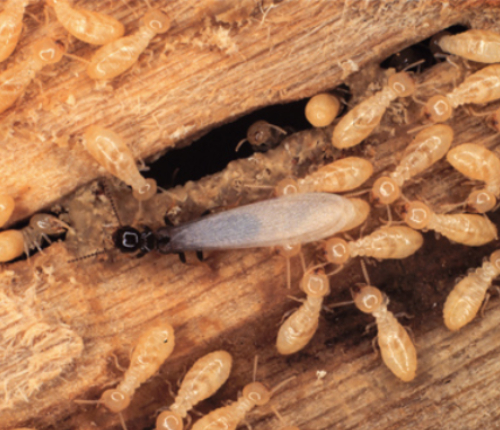
Termite Inspection and Treatment in Epping
Termites need to be treated differently from many common household pests. Their activity can occur in concealed locations, which means visible signs may not always show the full extent of a problem.
Potential warning signs can include mud tubes, damaged or hollow-sounding timber, discarded wings and other unexplained changes to timber around a property.
A termite inspection can assess accessible areas of the property for evidence of termite activity and conditions that may require attention. If treatment is recommended, the approach should be based on the findings and the property environment.
If you are concerned about possible termite activity or want to understand the condition of your property, arrange a professional termite inspection.
Common Pest Problems Around Epping Properties
Ant Control
Ants can enter buildings through small openings while searching for food, water or shelter. Activity is often noticed around kitchens, bathrooms, gardens and other areas where suitable food or moisture is available.
If you are regularly seeing ants or established trails inside your property, an inspection can help identify potential entry points and areas of activity. Treatment can then be selected according to the conditions found.
Spider Control
Spiders may be encountered around gardens, garages, sheds, roof areas and other sheltered parts of a property. Outdoor conditions, available food sources and suitable hiding places can influence spider activity.
If spider activity becomes persistent or concentrated around frequently used areas, professional pest management can help assess the situation and determine suitable control measures.
Cockroach Control
Cockroaches are commonly associated with areas where food, moisture and shelter are available. Kitchens, bathrooms, storage spaces and other concealed areas can provide suitable conditions.
Seeing repeated cockroach activity may indicate that further investigation is needed. Along with treatment, reducing food sources, improving sanitation and addressing potential harbourage areas can help support ongoing pest management.
Rat and Mouse Control
Rodents can enter buildings through gaps and openings and may establish nests in roof spaces, wall cavities, garages or other sheltered areas.
Signs of rodent activity can include:
- Scratching or scurrying sounds, particularly at night
- Droppings
- Gnaw marks
- Disturbed insulation
- Nesting material
- Unusual odours
- Rodent sightings
If you suspect rats or mice are living in your roof, professional assessment can help identify signs of activity and potential access points.
Flea Control
Fleas can be difficult to manage when they become established in carpets, bedding, furniture and other areas of a property. Homes with pets or other animals may require particular attention to both the source of the fleas and the areas where activity is occurring.
If flea activity continues despite routine cleaning, an assessment can help determine whether professional treatment is appropriate.
How Our Pest Inspection Process Works
A pest inspection should do more than identify a pest. Understanding where the pest is active and what may be contributing to the problem can help inform the treatment strategy.
- Discuss Your Concerns
We first consider what you have noticed, such as pest sightings, scratching sounds, droppings, damage, odours or recurring insect activity.
- Inspect Relevant Areas
Depending on the pest problem, accessible internal and external areas of the property may be assessed. This can include gardens, perimeter areas, roof spaces and other locations relevant to the reported activity.
- Identify Signs and Contributing Conditions
The inspection looks for evidence of pest activity and potential factors that may be allowing pests to enter, shelter or access food and moisture.
- Recommend an Appropriate Treatment
Treatment recommendations depend on the pest, level of activity and property conditions. A targeted approach can be more appropriate than applying the same treatment to every property.
- Discuss Preventative Measures
Where relevant, we can identify practical steps that may help reduce future pest activity. These can include addressing potential entry points, reducing harbourage areas and improving property maintenance.
Pest Treatment for Indoor and Outdoor Areas
Pest activity is not always limited to one room or one part of a property. Depending on the problem, pests may move between indoor areas, gardens, roof spaces, garages and the exterior perimeter.
Our pest treatment approach can therefore consider relevant areas both inside and outside the property. This helps provide a clearer understanding of where pests are active and whether there are conditions around the building that may contribute to the problem.
The treatment method selected will depend on the pest and the circumstances identified during the assessment.
Preventing Pest Problems
Professional pest treatment can address existing activity, but property maintenance and preventative measures are also important.
Homeowners can help reduce conditions that may attract or shelter pests by:
- Keeping food in sealed containers
- Cleaning food spills and crumbs promptly
- Keeping rubbish securely contained
- Reducing unnecessary clutter around garages and storage areas
- Maintaining gardens and vegetation around buildings
- Checking for gaps around doors, windows, roof areas and other openings
- Addressing persistent moisture or plumbing leaks
- Monitoring roof spaces for signs of rodents
- Arranging a professional inspection when pest activity repeatedly returns
These measures do not guarantee that pests will not return, but they can help reduce conditions that support pest activity.
Residential and Commercial Pest Control in Epping
Pest problems can affect houses, rental properties, offices, shops and other commercial premises. The appropriate management approach depends on the property type, pest involved and areas affected.
For residential properties, common concerns include ants, spiders, cockroaches, rodents, fleas and termites.
Commercial properties may require a more structured approach because pest activity can affect employees, customers, stock, equipment and day-to-day operations.
M&R Termite Solutions also provides pest control for businesses requiring professional pest management.
Why Choose M&R Termite Solutions?
Effective pest management begins with understanding the specific problem rather than relying on a standard solution for every property.
M&R Termite Solutions provides pest inspections and treatment services based on the pest activity and property conditions identified during the assessment. The process also considers possible contributing factors so that practical preventative recommendations can be made where appropriate.
Our services cover general household pests as well as termite and rodent concerns, giving property owners access to different pest-management services through one provider.
Frequently Asked Questions
What pests can you treat in Epping?
Pest control services can address common problems involving ants, spiders, cockroaches, rats, mice, fleas and termites. The appropriate treatment depends on the pest and the conditions found at the property.
How can I tell if I have rats in my roof?
Scratching or scurrying sounds at night, droppings, gnaw marks, disturbed insulation, nesting material and unusual smells can indicate rodent activity. Other animals can produce similar signs, so an inspection may be required to determine the cause.
Do I need a pest inspection if I have only seen one pest?
Not necessarily. An isolated sighting does not always mean there is an established infestation. Repeated sightings, damage, droppings, nesting evidence or increasing activity are stronger reasons to arrange an assessment.
How does a pest inspection work?
The inspection process generally involves discussing the reported problem, assessing relevant accessible areas, looking for evidence of pest activity and identifying potential contributing conditions. Treatment recommendations can then be based on the findings.
Can pest control stop pests from returning?
Treatment can address existing pest activity, while preventative measures can help reduce conditions that contribute to recurring problems. However, pest activity can return when new pests gain access or favourable environmental conditions remain.
Need fast, reliable, and environmentally friendly pest control in Epping? Call us today on 0413 716 233 or fill out our online enquiry form. We’ll get back to you promptly with the right solution.
Book A Pest Control Service Today
For fast, reliable, and environmentally friendly pest control in Epping, call our team today on 0413 716 233 or complete our online enquiry form. We’ll respond promptly to arrange the right solution for your needs