
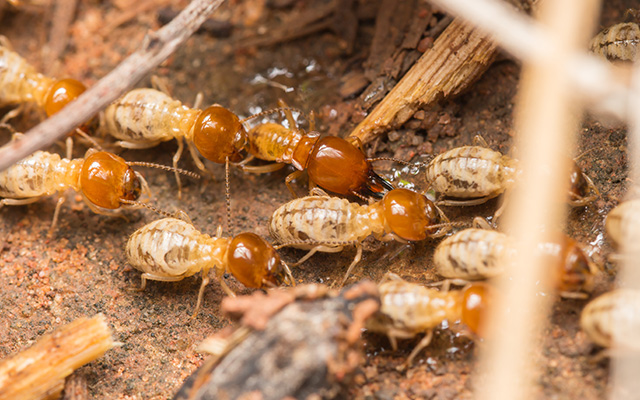
Termites can quietly damage wooden furniture long before homeowners notice anything unusual. A dining table, wardrobe, bed frame or antique cabinet may appear perfectly normal on the outside while termites feed on the timber inside. By the time visible damage develops, the furniture may already have lost much of its strength.
Recognising the warning signs early and arranging termite pest control in Mill Park can help prevent further damage to your furniture and surrounding timber structures. Understanding how termites enter furniture, what treatment options are available and how to reduce future risks is essential for protecting your home.
How Do Termites Get Into Wooden Furniture?
Termites feed on cellulose, an organic material found in wood and other plant-based products. Wooden furniture can provide a food source, particularly when termites have access to it through concealed pathways.
In Melbourne homes, subterranean termites are an important concern. These termites generally live in colonies associated with the soil and may enter buildings through cracks, concealed gaps or mud shelter tubes.
Once inside, they can reach wooden furniture positioned near affected floors, walls or other timber structures. Furniture may also contain termites when introduced into a property, depending on the termite species and the item’s history.
The Victorian Building and Plumbing Commission explains that termite activity can remain concealed because termites often consume timber internally, leaving a thin external surface intact.
Common Signs of Termites in Furniture
Early identification can make a significant difference when managing termite damage. Although termites are difficult to detect without professional equipment, several warning signs deserve attention.
Hollow-Sounding Wood
Furniture affected by termites may sound hollow when gently tapped. This happens when termites consume internal timber while leaving part of the outer surface intact.
Small Holes and Damaged Surfaces
Tiny openings, damaged edges or weakened sections may indicate timber pest activity. However, holes and fine powder can also result from wood-boring beetles, so professional identification is important.
Mud Tubes Around Furniture
Subterranean termites sometimes construct mud shelter tubes along walls, skirting boards, furniture supports and other surfaces. These pathways help maintain the humid conditions termites require.
Bubbling or Uneven Finishes
Paint, varnish or polished surfaces may become uneven as the underlying timber deteriorates. This symptom alone does not confirm termites, as moisture damage can produce similar effects.
Weak Furniture Joints
Chairs, tables and cabinets may develop loose joints or unstable sections when internal timber has been damaged. Avoid using furniture that appears structurally unsafe.
How to Get Rid of Termites in Furniture Effectively
Removing termites requires more than treating the visible damage. The appropriate method depends on the termite species, the furniture’s condition and whether an active colony is present elsewhere in the property.
1. Arrange a Professional Termite Inspection
The first step is identifying the source and extent of the infestation.
A qualified termite inspector can examine the affected furniture and accessible surrounding areas, including skirting boards, flooring, wall cavities where appropriate and other timber components.
An inspection helps establish whether the issue is isolated to the furniture or connected to termite activity elsewhere in the building.
Homeowners seeking professional pest control in Mill Park should choose a provider experienced in termite identification and treatment rather than relying on general household insect sprays.
2. Avoid Disturbing Active Termites
It may be tempting to move damaged furniture outdoors, break open affected timber or apply insecticide immediately. However, disturbing an active subterranean termite infestation can cause termites to retreat into concealed areas, making further detection and treatment more difficult.
Avoid dismantling affected furniture, removing mud tubes or applying household sprays before an inspection.
The Victorian Building and Plumbing Commission specifically advises homeowners against disturbing affected materials or using surface sprays when termites are discovered.
3. Choose a Suitable Termite Treatment
Professional termite management may involve several different methods depending on the inspection findings.
Targeted Termite Treatments
Where appropriate, pest management technicians may apply registered termiticides to identified areas of termite activity. The treatment method depends on the species, location and product requirements.
Termite Baiting Systems
Baiting systems can be used to manage certain subterranean termite infestations. Termites feed on the bait and may transfer the active ingredient throughout the colony.
Termite Management Zones
For infestations affecting a building, professionals may recommend soil treatments or other termite management measures designed to reduce concealed termite access.
These treatments are not interchangeable, and treating a single piece of furniture may not resolve an infestation connected to a larger subterranean colony.
4. Assess Whether the Furniture Can Be Repaired
Once termite activity has been professionally managed, the furniture should be assessed for damage.
Minor cosmetic damage may be repairable by a furniture restoration specialist. However, heavily damaged structural components can compromise the strength and safety of the item.
Wooden chairs, beds, cabinets and supporting frames should be carefully examined before reuse. Furniture with extensive internal damage may need replacement.
If disposal is necessary, follow professional advice to avoid moving potentially infested timber and spreading the problem.
5. Inspect Other Wooden Areas
Discovering termites in furniture can indicate a broader problem.
Check nearby timber features for warning signs, including:
- Skirting boards and door frames
- Wooden flooring and subfloor structures
- Built-in wardrobes and kitchen cabinetry
- Window frames and architraves
- Outdoor timber structures and stored firewood
A professional inspection can determine whether additional treatment or monitoring is required.
How to Prevent Termites From Damaging Furniture
Preventing termite damage involves making the property less favourable for termite activity while maintaining suitable inspection arrangements.
Control Excess Moisture
Termites require moisture to survive. Leaking pipes, poor drainage, damp subfloors and persistent water accumulation can increase conditions favourable to termite activity.
Repair plumbing leaks, improve ventilation where necessary and prevent water from collecting around foundations.
Reduce Timber-to-Soil Contact
Avoid placing susceptible timber or stored wooden materials directly on soil, particularly near the building.
Keep garden beds, mulch and timber storage from concealing inspection areas or creating pathways into the property.
Inspect Second-Hand Furniture
Before bringing used wooden furniture indoors, examine its joints, underside and concealed compartments for damage or unusual insect activity.
If suspicious signs appear, arrange identification before introducing the furniture into your home.
Schedule Regular Termite Inspections
A professional termite inspection is generally recommended at least annually, with more frequent inspections potentially appropriate depending on the property’s risk profile and the inspector’s advice.
Victoria’s Department of Health recommends reducing moisture, improving drainage and avoiding timber storage directly on soil as part of termite prevention.
Why Professional Termite Control Matters
DIY sprays and household remedies are unlikely to provide reliable control of a subterranean termite colony. Even when visible termites disappear, activity may continue in concealed locations.
Professional termite management focuses on identifying the pest, assessing its extent, selecting suitable treatment methods and monitoring for further activity.
Households may also experience other pest concerns, including ants, cockroaches, spiders and rats. While rodent control in Mill Park addresses a different type of infestation, professional pest management across these services benefits from accurate identification, property inspection and prevention advice.
Protect Your Furniture with M&R Termite Solutions
Termites can cause substantial damage before their presence becomes obvious. Early investigation, suitable treatment and ongoing monitoring can help protect your wooden furniture and property.
M&R Termite Solutions provides termite inspections, termite treatment and general pest management services across Mill Park, Bundoora, Epping, Greensborough, Eltham and surrounding Melbourne suburbs.
If you have noticed hollow timber, mud tubes or unexplained damage to wooden furniture, contact M&R Termite Solutions to arrange a professional termite assessment and discuss suitable treatment options.
Frequently Asked Questions
Can termites completely destroy wooden furniture?
Yes. Termites can consume internal timber and substantially weaken furniture over time. The extent of damage depends on the termite species, timber type and duration of activity.
Can I remove termites from furniture using household sprays?
Household sprays are not recommended for suspected subterranean termite infestations. They may kill visible termites without addressing the colony and can interfere with professional treatment.
How can I tell if my furniture has termites or wood borers?
Termites may leave hollow timber and mud shelter tubes, while some wood-boring beetles produce small exit holes and powdery material. A professional inspection is the most reliable way to identify the pest.
Should I throw away furniture affected by termites?
Not necessarily. Some furniture can be repaired after successful treatment. However, severely damaged pieces may need replacement. Obtain professional advice before moving or disposing of infested items.
How often should wooden furniture be checked for termites?
Homeowners can visually check furniture during routine cleaning and maintenance. An annual professional termite inspection is generally advisable, although higher-risk properties may require more frequent assessments.