
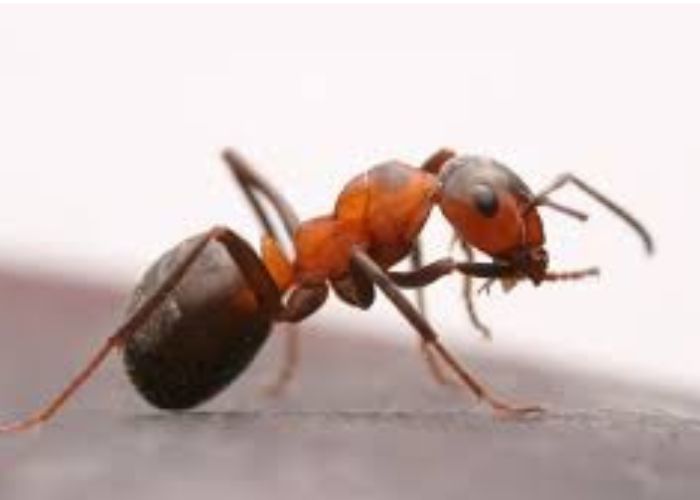
Ants are among the most common household pests, often appearing in kitchens, bathrooms, pantries and outdoor entertaining areas. A few ants searching for food may seem harmless, but repeated trails entering your home can indicate a nearby colony. Once ants discover a reliable food or water source, they may return regularly, making the problem difficult to manage with basic cleaning alone.
Effective ant control in Epping involves identifying the ant species, locating nesting areas and choosing appropriate treatments that address more than just the visible insects. Understanding why ants enter homes and how professional pest management works can help property owners reduce recurring infestations and maintain a cleaner living environment.
Why Do Ants Keep Coming Back to Your Home?
Ants live in organised colonies, with workers responsible for finding food and transporting it back to their nests. When a worker discovers a suitable food source, it may leave a chemical trail that helps other ants follow the same route.
This explains why a few ants can quickly become a continuous line along kitchen benches, skirting boards or door frames.
Several conditions can attract ants to residential and commercial properties:
- Accessible food: Crumbs, sugary spills, uncovered groceries and pet food can attract foraging ants.
- Water sources: Leaking taps, damp cupboards and condensation may provide moisture.
- Outdoor nesting areas: Gardens, paving, soil and landscaping materials can support ant colonies.
- Building openings: Small gaps around windows, doors and pipes can provide entry points.
- Seasonal changes: Warmer weather and changes in rainfall may influence ant activity and nesting behaviour.
According to the Victorian Department of Health, ants are considered pests when they infest buildings and surrounding areas, particularly where they access human food. Effective control depends on identifying the species and selecting an appropriate management method.
Health Victoria
Common Types of Ants Found Around Epping Properties
Not every ant species behaves the same way. Some prefer sweet foods, while others are attracted to protein, grease or other food sources. Their nesting habits also differ, which can influence the treatment required.
Black House Ants
Black house ants are small, dark-coloured ants commonly associated with buildings and gardens. They may enter kitchens, cupboards and food storage areas while searching for food.
They can establish nests in outdoor locations as well as concealed spaces inside buildings.
Argentine Ants
Argentine ants can form extensive colonies with multiple queens and interconnected nesting areas.
They may create large foraging trails and move indoors when environmental conditions change. Their colony structure can make infestations more challenging to control.
Coastal Brown Ants
Coastal brown ants commonly nest around paving, garden paths, rockeries and soil.
They may also establish activity around wall crevices and building foundations. Their food preferences can include insects, meat and greasy substances.
Carpenter Ants
Carpenter ants are often associated with decaying timber, soil and other sheltered nesting locations.
Unlike termites, carpenter ants do not eat wood. Some species excavate timber to create nesting spaces, although structural damage is uncommon in Australian homes.
Correct identification is important before choosing treatment, particularly when homeowners notice insects around timber structures.
How to Get Rid of Ants Effectively
Managing an ant infestation requires more than removing the insects visible on your kitchen bench. The best approach depends on the species, location of the nest and severity of the problem.
1. Identify Where Ants Are Entering
Start by observing ant trails rather than immediately spraying them.
Follow the movement of ants to identify possible entry points, food sources and nesting areas. Common locations include gaps beneath doors, window frames, wall cracks and openings around plumbing.
Outside, inspect garden edges, paving joints and areas around building foundations.
Locating the source of activity provides useful information for selecting a treatment.
2. Remove Food and Water Sources
Good household hygiene plays an important role in reducing ant activity.
Wipe kitchen benches, clean food spills promptly and store groceries in sealed containers. Empty rubbish bins regularly and avoid leaving pet food accessible overnight.
Repair leaking taps and address moisture problems beneath sinks or around appliances.
These measures may reduce the attraction of your property, although they will not necessarily eliminate an established colony.
3. Use Ant Baits Where Appropriate
Ant baits can be effective for certain species because worker ants collect the bait and transport it back to their colony.
Unlike contact sprays, some bait formulations are designed to act gradually, allowing the active ingredient to reach other members of the nest.
However, bait selection matters. Different ant species may prefer different food-based formulations, and some colonies may require repeated applications or monitoring.
The Victorian Department of Health notes that ant baits are particularly useful when nests cannot be located, although successful control may take time.
Always follow product directions and keep bait stations inaccessible to children and pets. Avoid spraying ant trails near active bait stations, as this may interfere with bait collection.
4. Consider Targeted Professional Treatments
When infestations continue despite cleaning and basic prevention, professional ants treatments in Epping may be appropriate.
Depending on the species and inspection findings, a qualified pest technician may recommend targeted baiting, nest treatments, residual surface applications or other registered pest control products.
Professional treatment should focus on the identified infestation rather than unnecessary chemical application throughout the property.
Some species, such as Pharaoh’s ants, can respond poorly to inappropriate spraying because colonies may split into smaller groups. This makes accurate species identification particularly important.
Why DIY Ant Sprays May Not Solve the Problem
Household insect sprays can kill ants on contact, but visible ants represent only part of a colony.
The nest may remain active beneath paving, inside wall cavities or in surrounding garden areas. Once the sprayed area is no longer effective, worker ants may return through existing or alternative pathways.
Frequent spraying may also interfere with baiting programs or cause unnecessary pesticide exposure.
Instead of repeatedly applying different products, homeowners should identify the source of the infestation and determine whether professional assessment is required.
How to Prevent Ants from Returning
Long-term ant prevention involves maintaining conditions that make your home less attractive to foraging insects.
Seal Cracks and Small Openings
Inspect gaps around doors, windows, skirting boards and plumbing penetrations. Seal suitable openings using appropriate building materials.
Check weather seals and damaged door sweeps, particularly around external entrances.
Maintain Your Garden
Keep vegetation from creating direct pathways into the building where practical.
Remove unnecessary garden debris and monitor ant activity around paving, retaining walls and outdoor storage areas.
Ants also play useful ecological roles, so the objective should be controlling problematic infestations rather than eliminating every ant from the garden.
Manage Moisture and Food Waste
Maintain clean food preparation areas and repair plumbing leaks promptly.
Keep outdoor bins securely closed and clean up food residues around barbecue areas and patios.
A consistent cleaning and maintenance routine can make a meaningful difference in reducing repeated ant activity.
Monitor Previously Affected Areas
After treatment, continue checking known entry points and areas where ants previously gathered.
Occasional ant sightings do not always indicate treatment failure, but repeated trails or increasing activity may suggest that further assessment is needed.
Why Professional Pest Control Is Important for Epping Homes
Professional pest control in Epping can help address recurring infestations by combining inspection, species identification, targeted treatment and prevention advice.
This approach is particularly useful for properties with concealed nesting areas, multiple ant trails or repeated infestations.
A professional pest management assessment may involve examining indoor and outdoor activity, identifying contributing conditions and recommending suitable follow-up measures.
For businesses, including food-related premises, ant management may also support hygiene and sanitation requirements.
The Better Health Channel Victoria recommends identifying pests accurately, considering non-chemical control methods and following appropriate pesticide safety practices.
Better Health Channel
Ants and Termites: Understanding the Difference
Ants and termites can sometimes be confused, particularly when winged insects appear around windows or timber structures.
However, they belong to different insect groups and require different management approaches.
Ants typically have a narrow waist and elbowed antennae, while termites have a broader waist and relatively straight antennae. Winged ants usually have noticeably longer front wings, whereas termite swarmers have two pairs of wings of similar length.
Termites feed on cellulose and some species can cause serious timber damage. Ants generally do not consume structural timber.
If insects are discovered around damaged wood or concealed building areas, correct identification is important.
Homeowners considering termite protection in Epping should arrange a dedicated termite assessment rather than assuming a general ant treatment will also manage termites.
Professional Ant Management with M&R Termite Solutions
Recurring ant problems can disrupt household routines and create hygiene concerns in residential and commercial settings. Identifying the source of the infestation and selecting suitable management methods are essential for achieving effective control.
M&R Termite Solutions provides professional ant treatment and pest management services across Epping, Mill Park, Bundoora, Greensborough, Eltham and surrounding Melbourne suburbs.
Our team assesses pest activity, recommends treatments suited to the property and provides practical advice to help reduce future infestations.
If ants are repeatedly entering your kitchen, bathroom, garden or business premises, contact M&R Termite Solutions on 0413 716 233 to arrange an inspection or request a quote. Take action early to manage the infestation before it becomes a recurring problem.
Frequently Asked Questions
What is the best way to get rid of ants in the house?
The most effective approach depends on the ant species and nesting location. Removing food sources, sealing entry points and using appropriate ant baits can help. Persistent infestations may require professional treatment.
Why do ants keep returning after spraying?
Contact sprays may kill visible worker ants without reaching the colony. If the nest remains active and food sources are available, more ants may return through the same or different entry points.
How long does professional ant treatment take to work?
Results depend on the species, treatment method and colony size. Some treatments reduce visible activity relatively quickly, while baiting programs may require several days or weeks and occasional follow-up.
Can ants damage wooden furniture or house structures?
Most household ants do not damage structural timber. Certain carpenter ants can excavate weakened or decaying wood for nesting, but they do not eat timber like termites. An inspection can help distinguish the insects involved.
Are ant treatments safe for children and pets?
Risks depend on the product, application method and exposure. Professional technicians should use registered products according to their labels and provide relevant precautions, including any required access restrictions.